Osteopathy
Osteopathy is a gentle conversation with your body—one that begins by listening
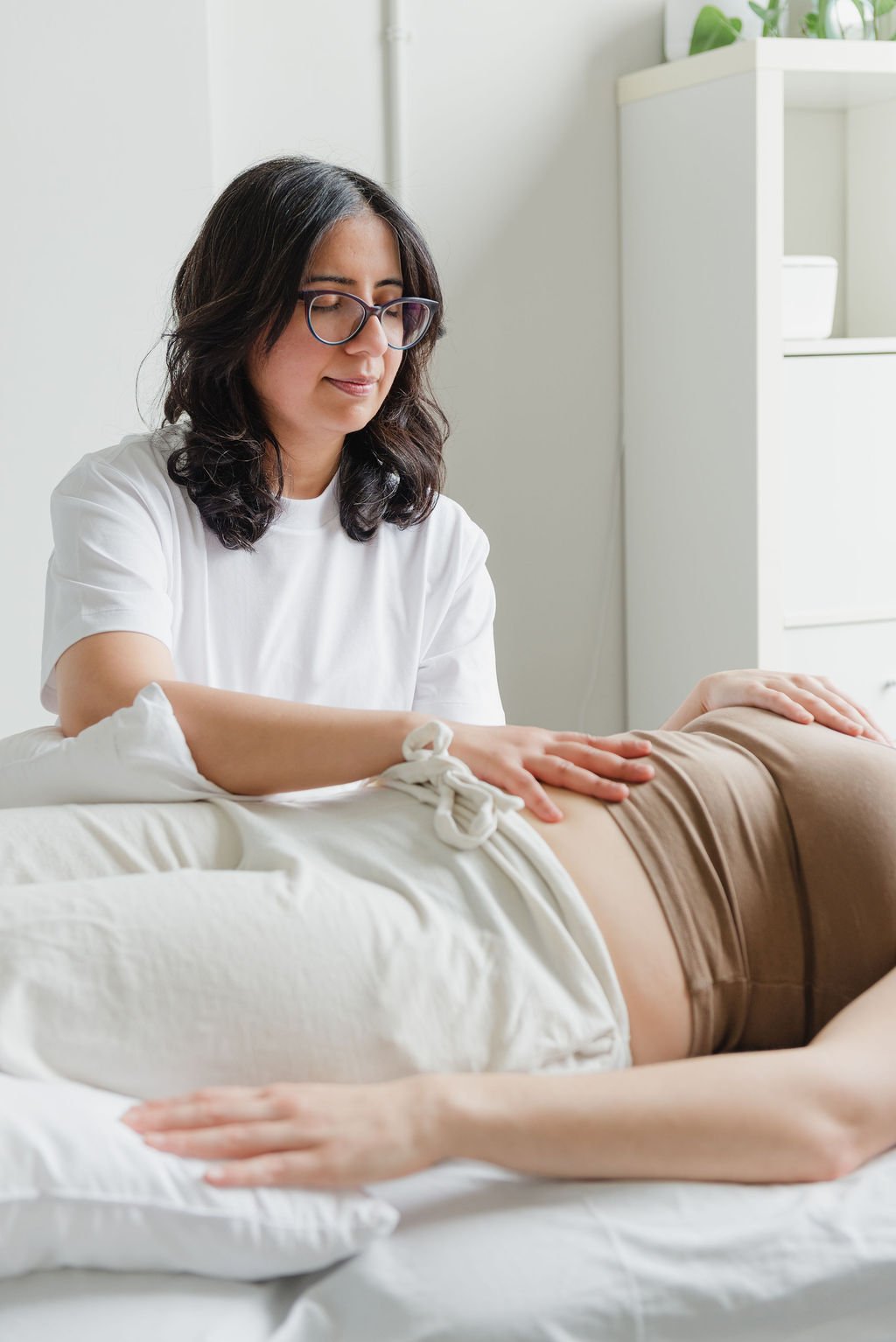
Through skilled, sensing touch, we tune into your tissues and fluids, allowing your body’s story to be felt and understood.
Your body carries the imprint of everything it has been through, birth, injuries, surgeries, illness, and stress, and constantly adapts to keep you functioning. Symptoms often appear when these adaptations are no longer enough, showing up as pain, stiffness, poor sleep, digestive issues, or a general sense of being “off.”
Rather than focusing only on surface symptoms, osteopathy follows subtle cues to trace discomfort back to its source. As your body feels safe and supported, it can begin to unwind old patterns, easing restrictions, restoring movement, and supporting overall balance and well-being.
How Osteopathy supports your body
-
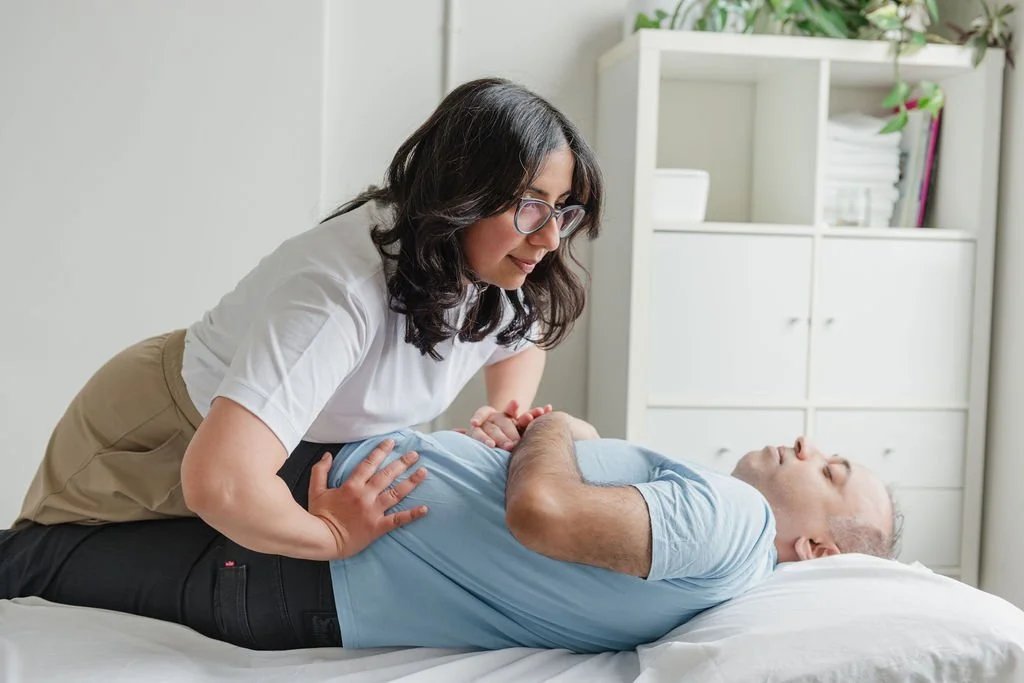
Move With Ease
Your bones, muscles, and joints support how you bend, stretch, and carry yourself through the day. When tension settles in, the body can begin to feel tight or weighed down. Osteopathy helps release restrictions within these structures, allowing for greater ease and freedom in movement.
-
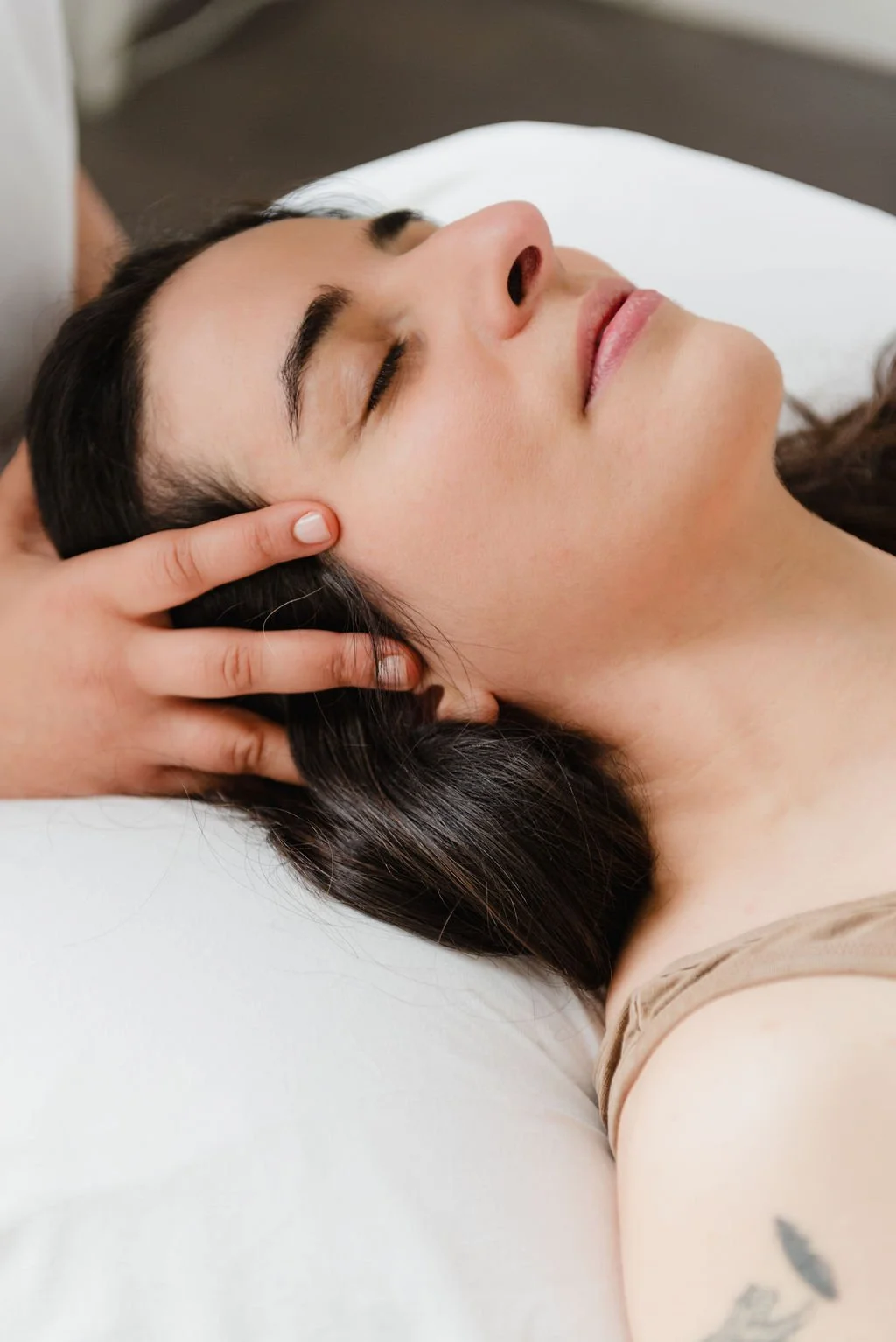
Feel Settled
Your craniosacral system is a subtle, protective network of membranes and fluid around your brain and spine. Osteopathic treatment can soften patterns of holding within this system and encourage healthy fluid movement, leaving you feeling more settled, clear‑headed, and calm.
-
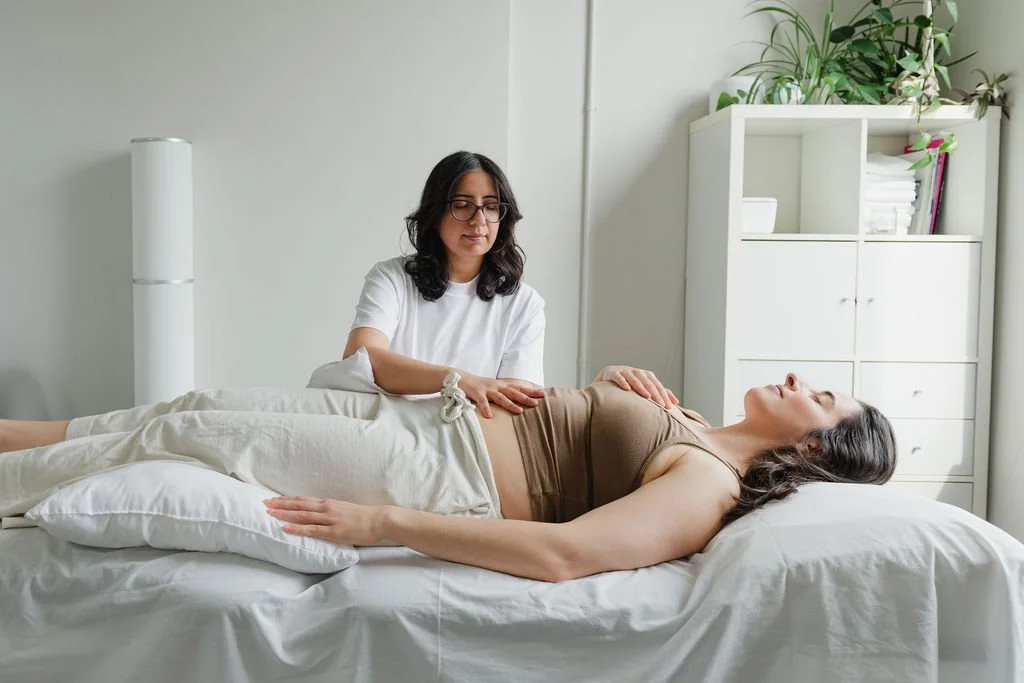
Balance Within
Your internal organs are supported by a network of soft tissues, nerves, blood vessels, and lymphatic structures. When these deeper tissues become restricted due to stress, injury, surgery, or inflammation, tension can affect posture and movement. Visceral osteopathy works gently with these layers to release restriction and support better circulation.
PHILOSOPHY
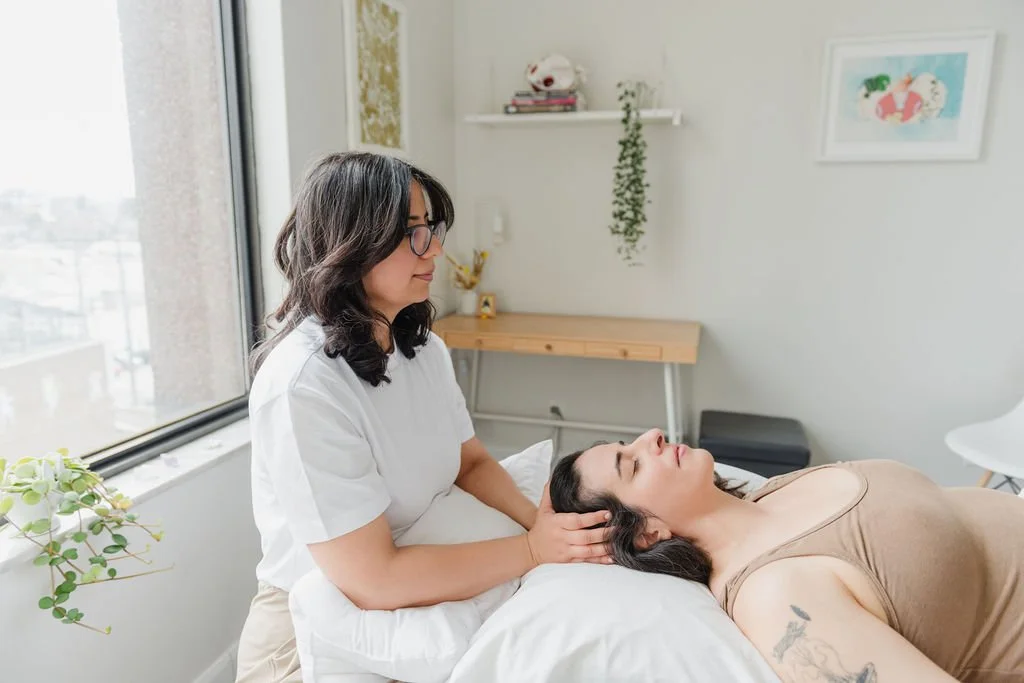
Osteopathy is like detective work: we identify what’s holding you back from full mobility, vitality, and ease, and guide your system to heal itself naturally. It’s a deep, thoughtful approach, not a quick patch.
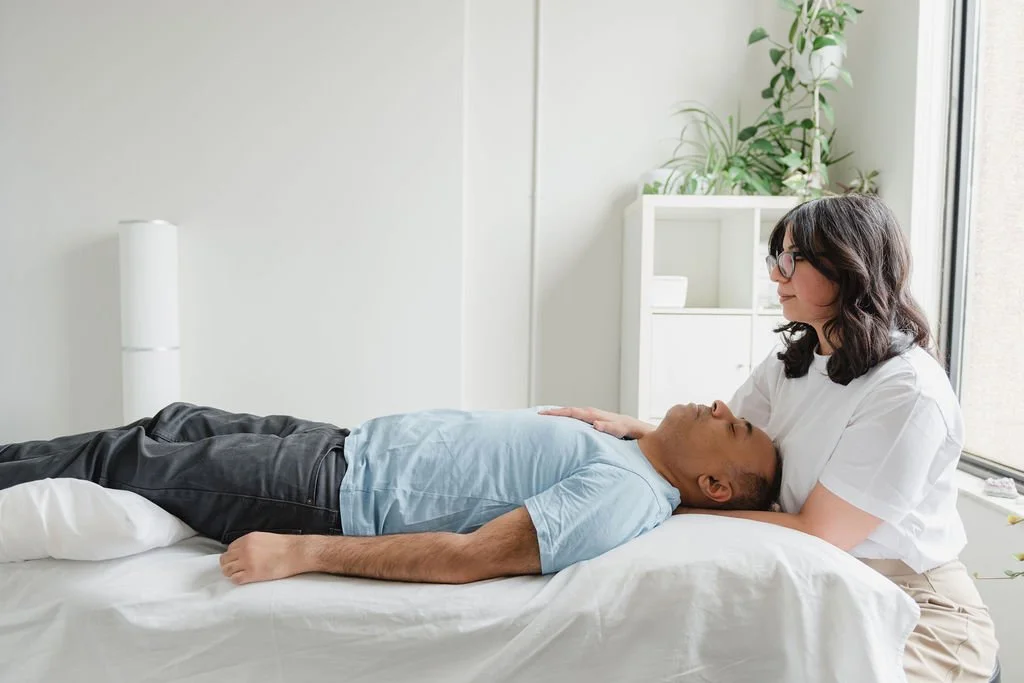
Osteopathy can help with pain relief throughout the body — and deeper concerns like digestion, sleep, menstrual health, and stress.
This can include:
-
Pain and Musculoskeletal Conditions
Neck and back pain (whiplash, herniated or bulging discs, sciatica, arthritis, stenosis)
Shoulder and upper body pain (frozen shoulder, rotator cuff restrictions, bursitis, tendonitis)
Hip, knee, ankle, and foot pain (arthritis, bursitis, tendonitis, joint restrictions)
Headaches and migraines (tension headaches, cervicogenic headaches, post-concussion headaches)
TMJ dysfunction (jaw pain, jaw clicking or locking, facial tension)
-
Body Systems and Whole-Body Health
Digestive discomfort (bloating, IBS, constipation)
Period pain (cramping, low back pain during your cycle, endometriosis-related pain)
Pregnancy and postpartum-related aches and pains (low back and sacroiliac joint pain, sciatica, acid reflux, postural changes)
Sleep disturbances (tension-related sleeplessness, nervous system dysregulation)
Stress-related tension (anxiety held in the body, fatigue, burnout recovery)
The list is not comprehensive. If you’re curious whether Osteopathy may help you, please contact Kanchan directly.
FAQs
-
Your first visit begins with a conversation — we'll talk through your health history, current concerns, lifestyle, and goals. This helps me understand how your body has been adapting over time.
From there, I'll move into a gentle, hands-on assessment followed by treatment tailored specifically to you. There's always time to ask questions along the way, so you'll never feel rushed or left wondering what's happening.
-
Comfortable, loose-fitting clothing is best — something you can move easily in. Treatment is typically done fully clothed, so no need to worry about changing.
If you have any relevant medical reports or imaging, you're welcome to bring them along, though they're not required.
-
Everyone responds a little differently, and that's completely normal. It's common to feel relaxed or tired afterward, and some people notice mild soreness — similar to how you might feel after a good workout. Over the next 1–3 days, you may notice shifts as your body integrates the treatment.
Light movement like walking is encouraged, while high-intensity activity is best avoided during that time.
-
Everybody is different — your history, lifestyle, and how your body responds all play a role. After your first visit, I'll typically recommend a follow-up to check in on your progress.
Many people begin to notice improvement within 3–6 visits, though everyone's journey looks a little different.
-
Early on, visits are often a little closer together to support your body through change. As things stabilize, we'll space sessions out further, always guided by how you're feeling, your goals, and what makes sense for you.
It's something we figure out together as your care progresses, not a set schedule decided in advance.
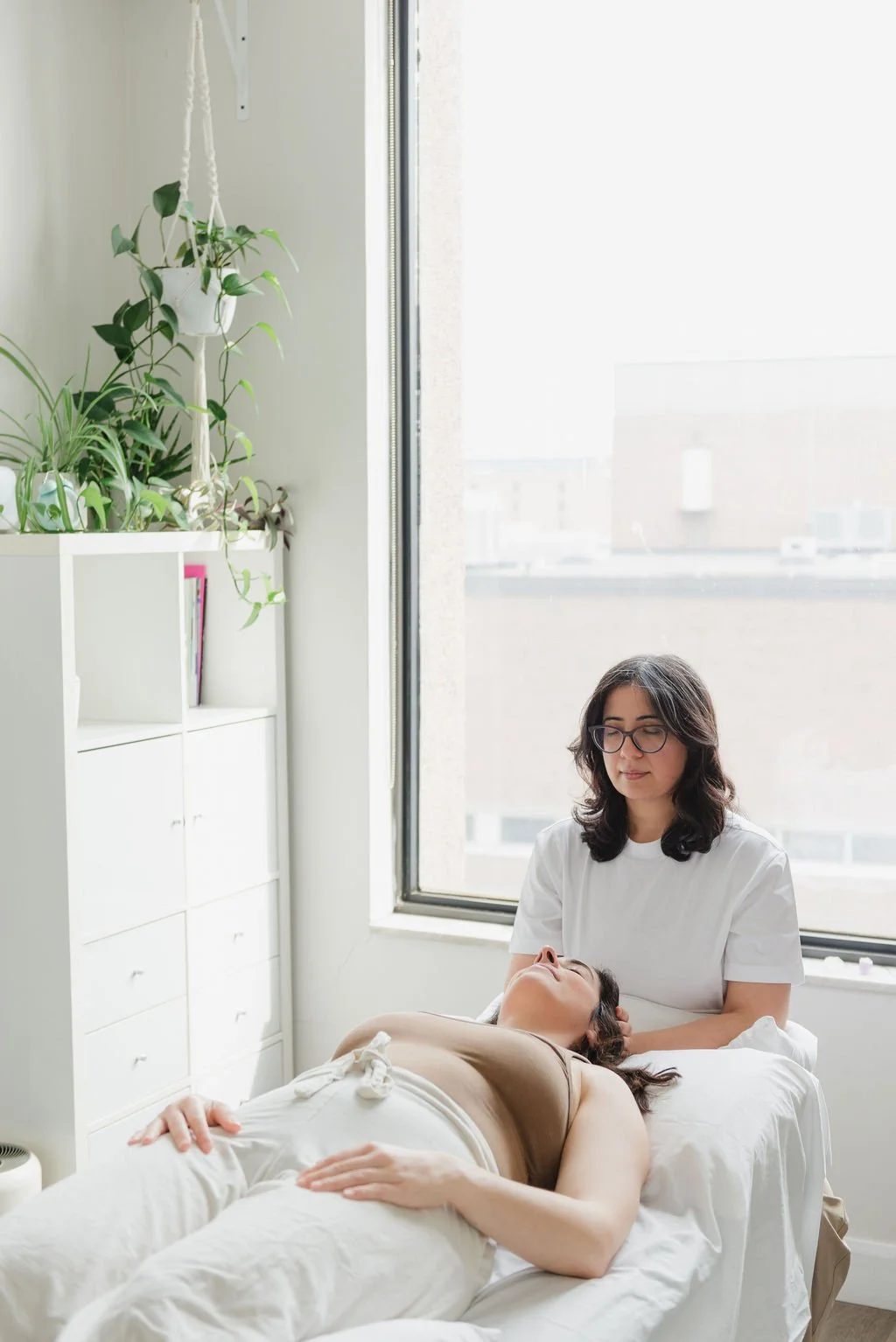
Treatment Fees
Our initial consultation is 75 minutes — time to explore your history, understand your concerns, and begin treatment with a clear plan for next steps.
Follow-up sessions are 60 minutes, focused on reviewing progress and supporting your ongoing care.
Osteopathy
75-min Initial Assessment and Treatment: $210
60-min Follow-up Treatment : $192
All fees include HST

Testimonials
Ready to feel at ease and more connected in your body?
-
I offer both in-person or virtual appointments. Choose what works best for your schedule and lifestyle.
-
Your first appointment is 75 minutes. We'll review your history, understand your concerns, and begin treatment — leaving you with a clear plan for next steps.
-
Each follow-up session is 60 minutes, focused on reviewing progress and supporting your ongoing care.