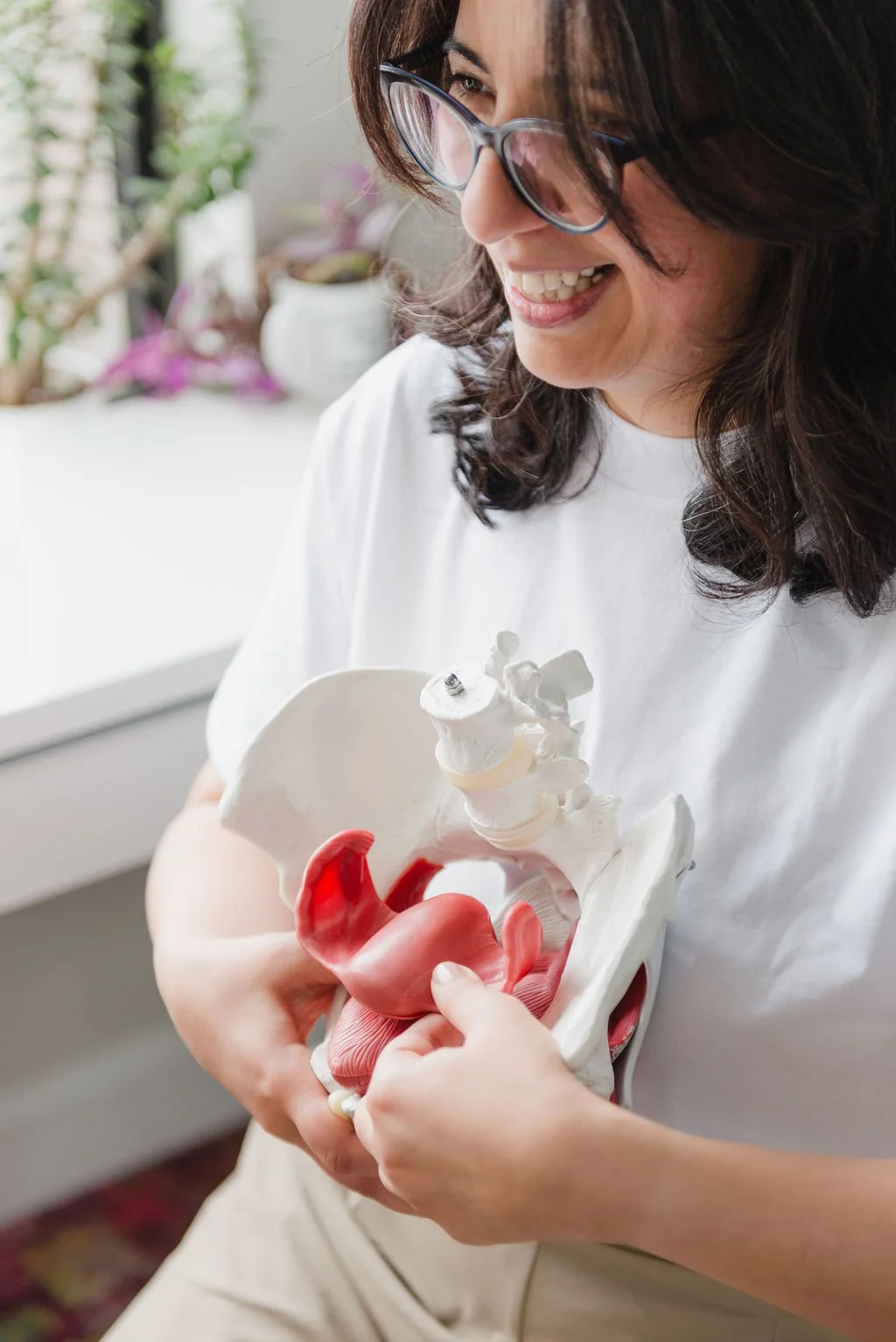
Pelvic Floor Physiotherapy
Do you plan your day around bathroom trips? Leak when you laugh, jump, or sneeze? Avoid certain workouts? These experiences are common — but they are not something you simply have to live with.

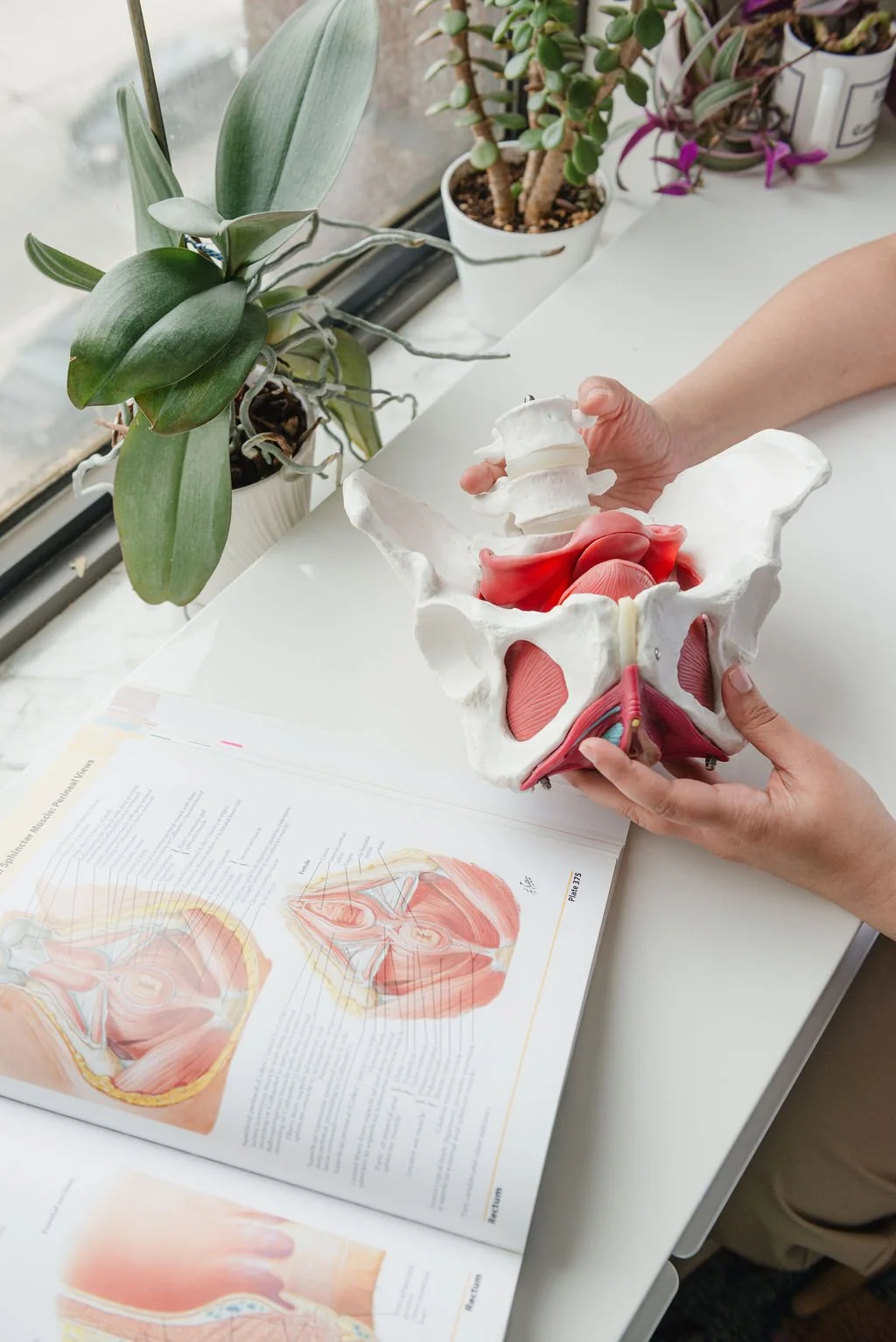
Your pelvic floor is a group of muscles, ligaments, and nerves that quietly supports your organs and helps you function day to day. When it is not working as it should, it can affect your comfort, control, movement, and confidence.
Pelvic floor physiotherapy helps restore that balance. Through a personalised assessment, we look at how your pelvic floor works with your core, hips, and breathing, while also considering lifestyle, stress, and past injuries. From there, we create a plan tailored to you, using simple, effective strategies to help you feel stronger, more comfortable, and back in control.
PHILOSOPHY
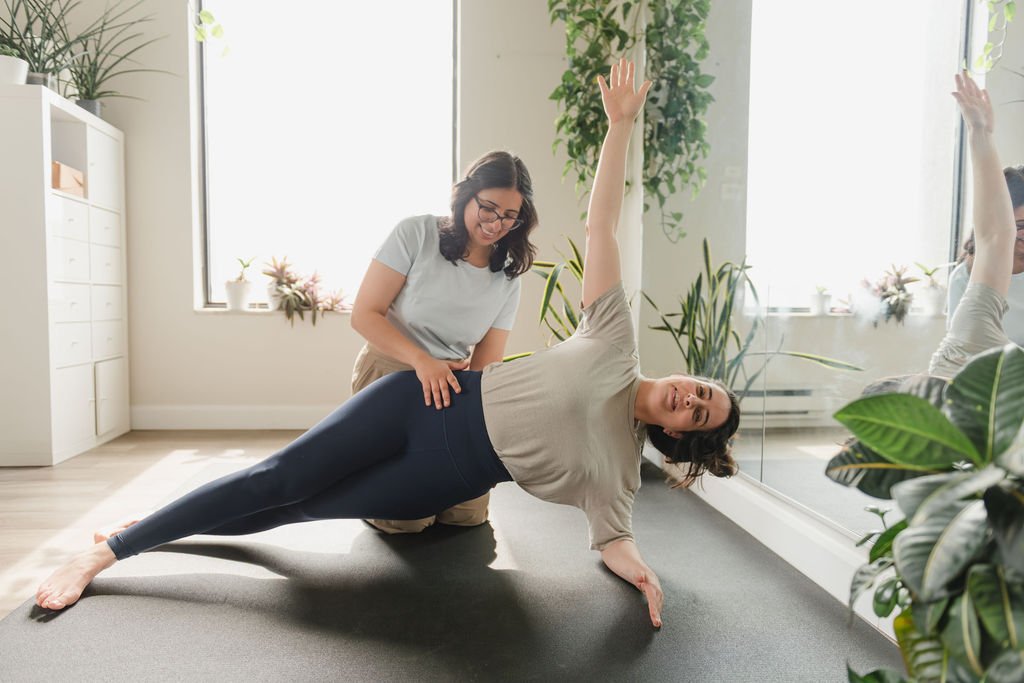
I’ve seen how pelvic floor physiotherapy can be life‑changing for people who have been struggling in silence. As a pelvic health physiotherapist, I believe that creating a friendly, safe, supportive, and non‑judgmental environment is essential to your healing journey.


Pelvic Floor Physiotherapy supports your pelvic health — from bladder and bowel symptoms to pelvic pain and prolapse.
This can include:
-
Bladder & Bowel Concerns
Leaking urine, stool, or gas when you laugh, cough, sneeze, or exercise (stress incontinence)
Needing to urinate often (overactive bladder)
Difficulty reaching the bathroom in time (urgency)
Constipation or bloating
-
Pain and Musculoskeletal concerns
Pelvic, hip, or lower back pain
Tailbone (coccyx) pain
Pain in the genitals, buttocks, or pubic region
-
Prolapse and Abdominal Concerns
Pelvic organ prolapse or a feeling of pelvic heaviness
Abdominal changes, including Diastasis Recti (abdominal separation)
Bulging in the stomach when lifting heavy objects or exercising
-
Pregnancy and Postpartum Care
Pregnancy preparation and prenatal care
Recovery after vaginal or cesarean birth
Guidance for exercise and fitness during pregnancy and postpartum
-
Female-specific Conditions
Endometriosis
Polycystic Ovary Syndrome (PCOS)
PMS symptoms
Perimenopause and menopause symptoms
-
Male-specific Conditions
Prostate‑related issues
Recovery after prostate surgery
Erectile dysfunction (ED)
The list is not comprehensive. If you’re curious whether Pelvic Floor Physiotherapy may help you, please contact Kanchan directly.
FAQs
-
Your first visit begins with a detailed conversation about your health history. This is a safe, open space to talk through things like bowel and bladder function, pain or discomfort with intercourse, pregnancy and delivery history, activity and exercise habits, sleep, diet, hydration, and your overall goals for treatment.
I'll take time to explain how Pelvic Floor Physiotherapy works, what the assessment involves, and how a treatment plan comes together from the findings — so you always know what to expect before we move forward.
From there, a physical assessment will follow, including a look at general movement patterns, core function, and the low back, hips, and pelvis.
With your informed consent, an internal pelvic floor assessment may also be performed. This can involve gentle vaginal and/or rectal palpation to evaluate pelvic organ position, muscle function, and pelvic floor coordination.
Finally, we'll go over the findings together and I'll put together a personalized treatment plan — including exercises to help you move toward your goals.
-
Not at all — and please don't let this be the thing that holds you back from booking!
An internal exam is optional. Your care always happens with your consent, and the decision is entirely yours.
The reason an internal exam is recommended is that many pelvic floor muscles sit internally and can't be fully assessed from the outside. When helpful, an exam may be done vaginally or rectally to better understand how those muscles are functioning.
If it's not something you're comfortable with or ready for, we'll talk through other options together.
-
Absolutely — there's no need to reschedule. Pelvic floor assessment and treatment can absolutely be performed during menstruation, and hormonal changes around this time can actually make an assessment quite useful.
If you'd prefer to skip the internal portion while menstruating, that's completely fine — we can focus on external work and movement instead. And if you'd rather reschedule altogether, just give at least 48 hours' notice and we'll find a time that works better for you.
-
If you're experiencing any symptoms, it's best to come in as soon as possible. Things to watch for include pain with intercourse, waking more than three times per night to urinate, concerns about diastasis, or any urinary leakage.
If you're symptom-free, the recommended window for your first prenatal visit is between weeks 12-14. This gives us a chance to establish a baseline for your pelvic floor, catch anything you may not have noticed, and begin labour preparation exercises to support a smoother delivery.
Internal assessment and treatment are safe during a healthy pregnancy. For high-risk pregnancies or those with medical restrictions, internal assessment may be deferred — though external physiotherapy is always still an option.
-
As soon as possible is generally best — though timing does depend on your specific concerns and the type of delivery you had.
After a vaginal delivery or episiotomy, a little time may be needed for healing before internal work can begin. After a Caesarean, waiting around 4–6 weeks for incision healing is usually recommended before abdominal or scar work.
That said, even during that early window, there's plenty we can do to help relieve pain and restore function safely — so don't wait to reach out.
-
Never. Whether you're a few weeks, several months, or even years postpartum, it's never too late to start — the body continues to respond to rehabilitation at any stage.
Treatment can help with incontinence, pain, prolapse, and core weakness, supporting healing, restoring function, and helping you feel stronger and more confident in your body.
-
Pelvic floor physiotherapy is not meant to be painful. Depending on the sensitivity of your tissues, you may notice some mild discomfort at times — but gentle techniques are always used, and your comfort is the priority.
Communication is continuous throughout your session, so you're never left wondering, and adjustments are always made the moment you need them.
-
Everybody is different — the number of sessions depends on the severity and duration of your condition, as well as how your body responds to treatment. Each session is typically one hour long, and appointments are spaced to give you time to practice and integrate your exercises before the next visit.
Most people begin to notice improvement within 4–6 weeks of starting treatment, though progress can be faster or slower depending on the person. As you move forward, we’ll track your progress and adapt your plan along the way to make sure it continues to meet your needs and goals.
Treatment Fees
Our initial consultation is 75 minutes — time to explore your history, understand your concerns, and begin treatment with a clear plan for next steps.
Follow-up sessions are 60 minutes, focused on reviewing progress and supporting your ongoing care.
Pelvic Floor Physiotherapy
75-min Initial Assessment and Treatment: $185
60-min Follow-up Treatment: $170
All fees include HST
Yoga and Clinical Pilates are woven directly into your treatment plan — intentional movement in service of your recovery.


Testimonials
Ready to feel stronger, more comfortable, and back in control?
-
I offer both in-person or virtual appointments. Choose what works best for your schedule and lifestyle.
-
Your first appointment is 75 minutes. We'll review your history, understand your concerns, and begin treatment — leaving you with a clear plan for next steps.
-
Each follow-up session is 60 minutes, focused on reviewing progress and supporting your ongoing care.